
Die Evolution der Bildformate: Vom Stummfilm zum Breitwandkino
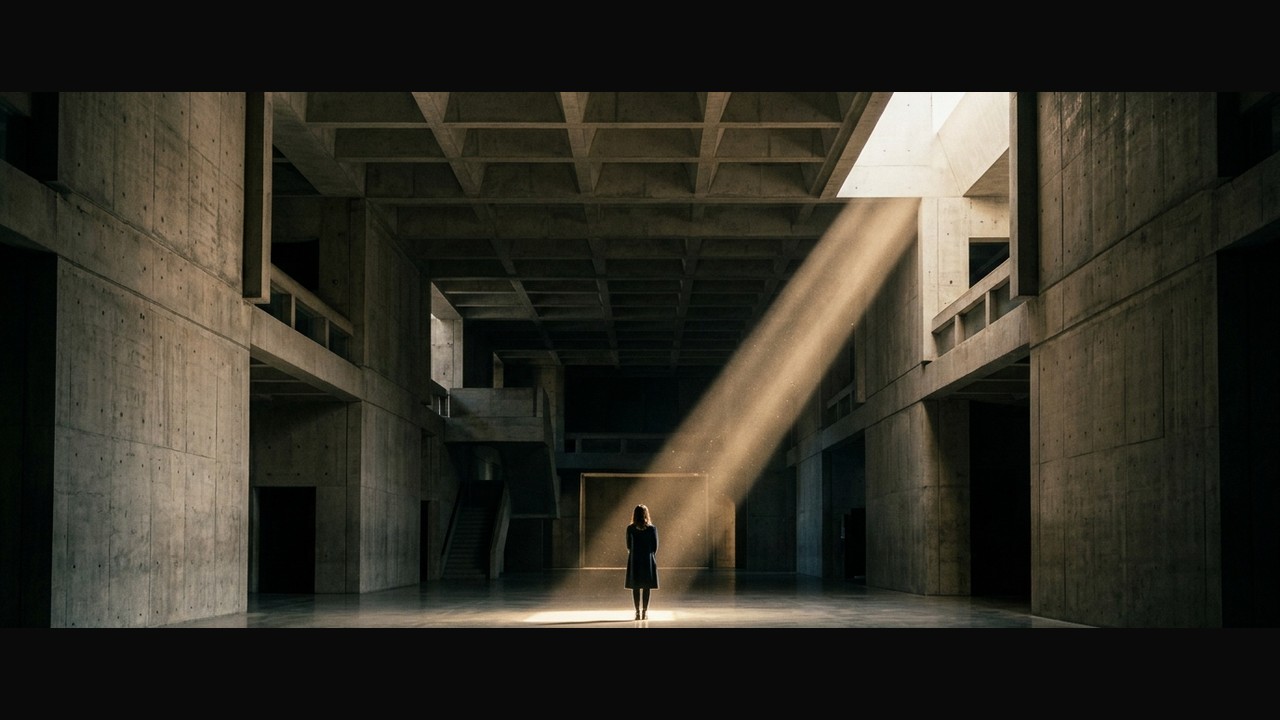
Aus dem 1.33:1-Format des 35mm-Films entstand in den 1950ern als Antwort auf das Fernsehen das anamorphotische CinemaScope mit 2.35:1 bzw. 2.39:1.
Damit schufen Filmstudios ein immersives Erlebnis, das damalige Wohnzimmerbildschirme nicht bieten konnten.
Bildpsychologie: Nähe, Höhe und Weite
Jedes Seitenverhältnis besitzt seinen eigenen emotionalen Charakter:
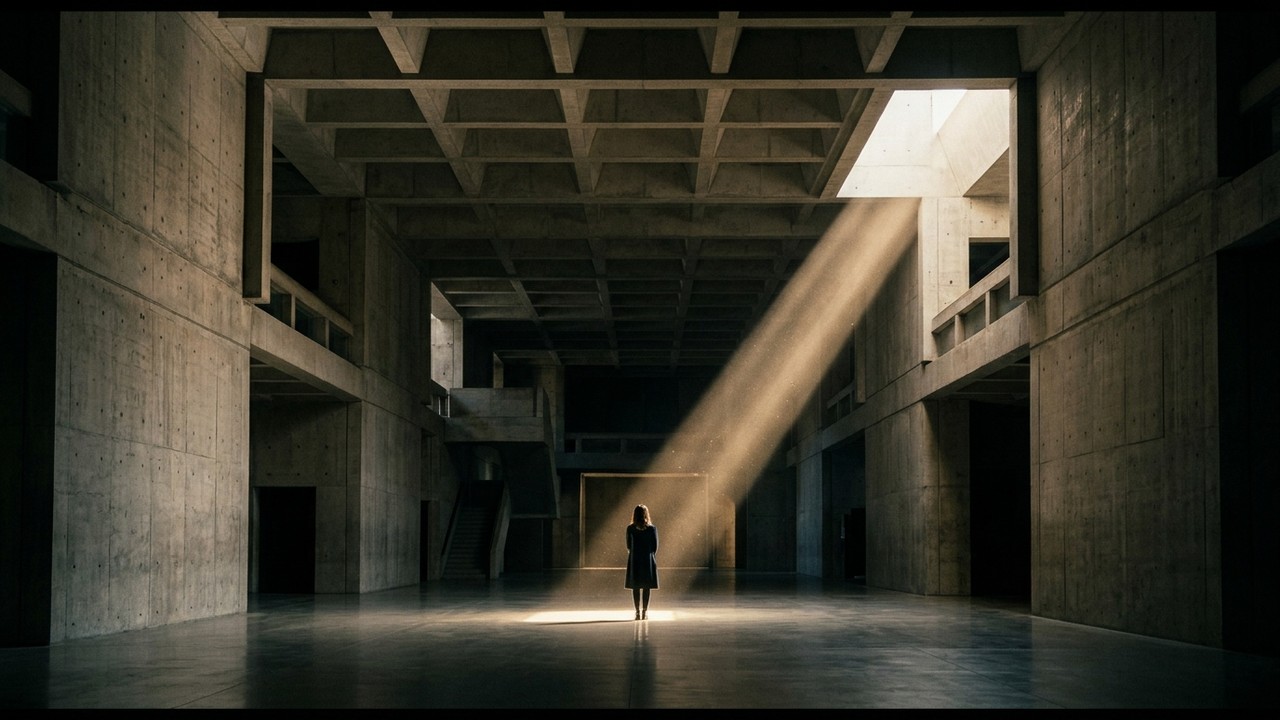
1.33:1 / 1.43:1 (Vertical Monumentality): Boxy ratios emphasize vertical lines, towering architecture, and claustrophobic isolation. Used famously in The Lighthouse (1.19:1) and Christopher Nolan's 70mm IMAX sequences (1.43:1).
1.85:1 (Humanistic Balance): The standard for character-driven drama, comedy, and horror. It comfortably accommodates two people standing together in medium shots and matches human vertical peripheral vision.
2.39:1 (Epic Scope & Lateral Tension): Dominates vistas, landscapes, and two-shots with negative space. A lone figure placed in the far third of a 2.39:1 frame evokes profound vulnerability or majestic scale.
Rendern Sie die echte Zielauflösung (z. B. 3840×1606 für UHD Scope), damit Breitbildmonitore und Smartphones keine doppelten Trauerränder anzeigen.
Standard Cinematic Aspect Ratio Resolution Reference
Pixel dimension cheat sheet for theatrical DCP and web delivery:
| Aspect Ratio | Common Name | DCI 4K Resolution | UHD 4K Resolution | Primary Use Case |
|---|---|---|---|---|
| 1.33:1 (4:3) | Classic Standard / Silent | 2880 × 2160 | 2880 × 2160 (Pillarbox) | Period pieces, vintage aesthetics, retro music videos |
| 1.43:1 | Full 70mm IMAX | 3084 × 2160 | 3084 × 2160 | Grand format IMAX dual-laser theatrical presentations |
| 1.66:1 | European Flat / Super 16 | 3588 × 2160 | 3588 × 2160 | European arthouse, Stanley Kubrick classics, 16mm film |
| 1.85:1 | Academy Flat | 3996 × 2160 (DCI Flat) | 3840 × 2076 | Hollywood drama, comedy, horror (Jurassic Park, The Shining) |
| 2.39:1 | CinemaScope / Anamorphic | 4096 × 1716 (DCI Scope) | 3840 × 1606 | Hollywood epics, sci-fi, blockbusters (Dune, Blade Runner) |
| 9:16 (0.56:1) | Vertical Social | 1215 × 2160 | 2160 × 3840 (Vertical 4K) | Mobile streaming, TikTok, Instagram Reels, YouTube Shorts |
Multi-Format-Strategie: 2.39:1 und 9:16 gleichzeitig kadrieren
Nutzen Sie Frame-Guides mit sich kreuzenden Schutzbereichen, um Hauptmotive in der Mitte für vertikales Social Media abzusichern.
Letterbox vs. Center-Crop vs. Dynamisches Pan & Scan
Im Color-Grading wird Pan & Scan genutzt, um Ausschnitte horizontal mit Keyframes an die Sprecherposition anzupassen.
Häufig Gestellte Fragen
What is the difference between 2.35:1, 2.39:1, and 2.40:1?
Es ist derselbe Standard. SMPTE korrigierte 1970 2.35:1 auf exakt 2.39:1, um Klebestellen im Kinoprojektor zu verdecken.
What are the exact pixel resolutions for 2.39:1 widescreen in 4K and UHD?
For theatrical DCI 4K, 2.39:1 is 4096 × 1716 pixels. For consumer Ultra HD (UHD 3840×2160), 2.39:1 is 3840 × 1606 pixels. For standard 1080p Full HD, it is 1920 × 803 (or 1920×804 for even-number encoding).
How can I compose a film for both 2.39:1 theatrical and 9:16 social media simultaneously?
Mit hochauflösenden Sensoren (6K/8K) und Schnittmarken, die das Motiv im gemeinsamen zentralen Kern halten.
Breitwand-Kompositions-LUTs Herunterladen
Farbkurven für epische Tiefenwirkung und harmonische Schattenübergänge in allen Bildformaten.