
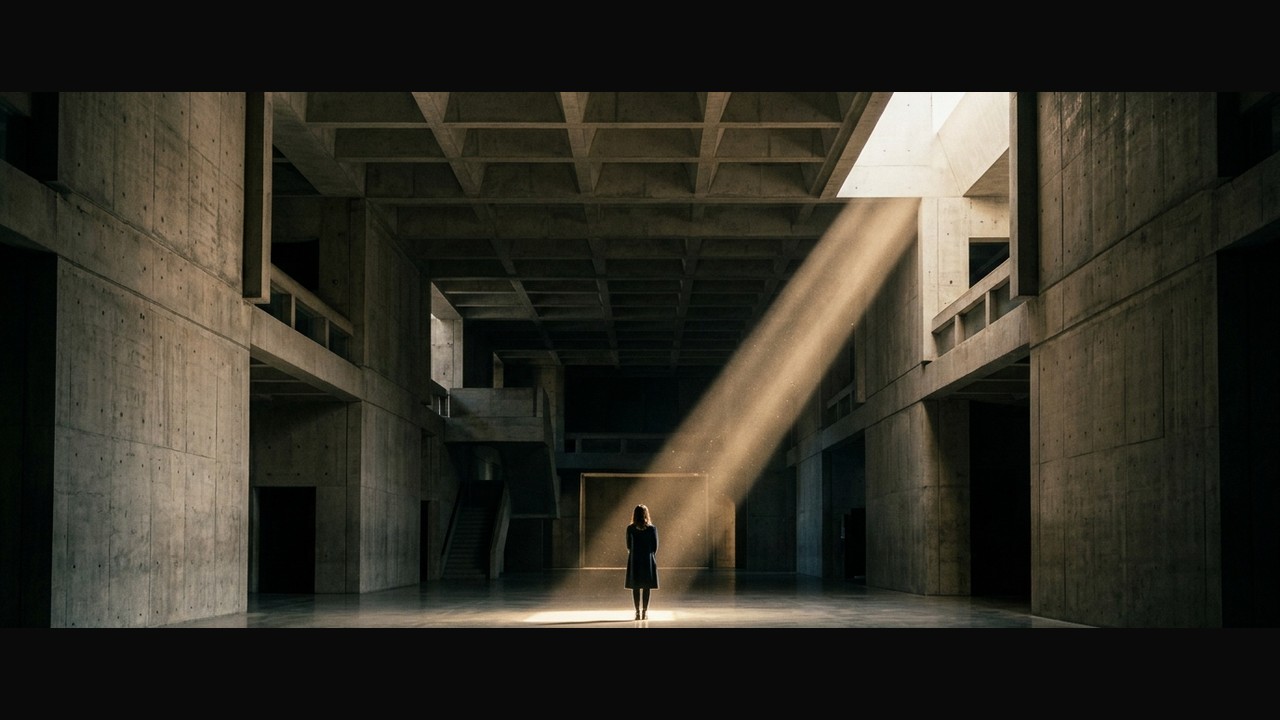
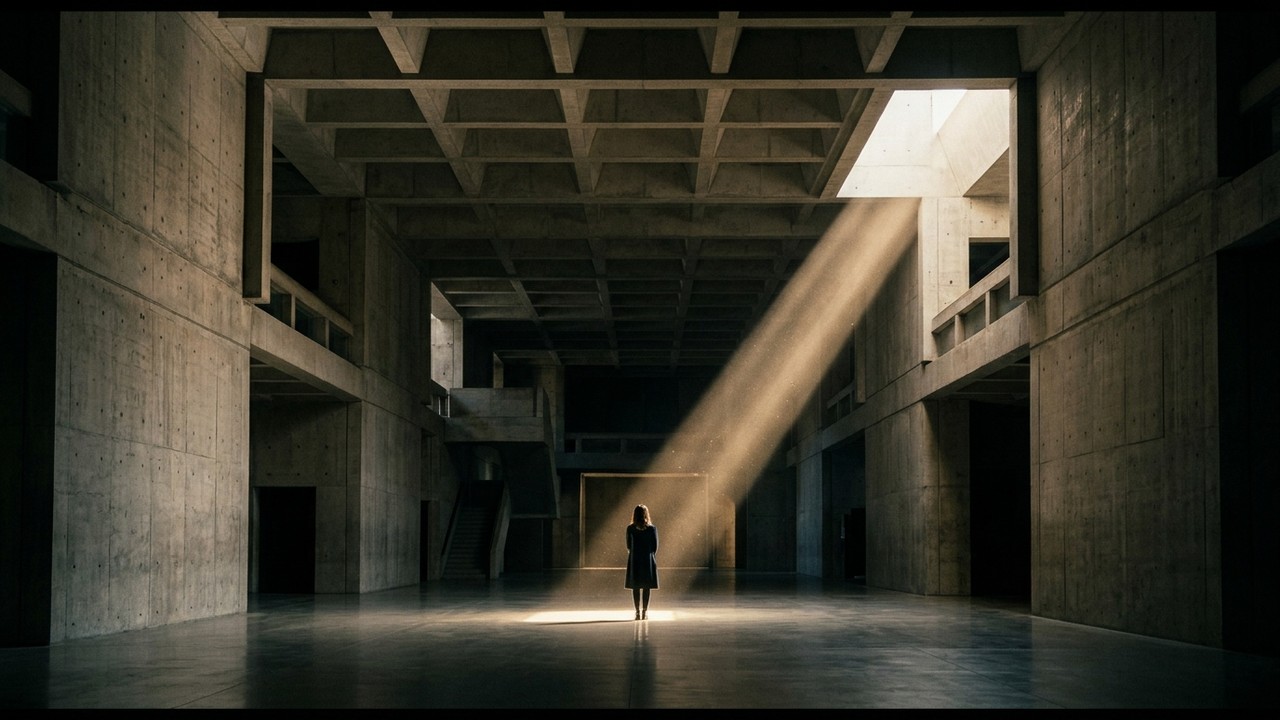
The Evolution of Framing: From Silent 4:3 to Widescreen Battles
In 1889, Thomas Edison and William Dickson established the 1.33:1 (4:3) frame by pulling four film perforations through a 35mm gate. When synchronized optical sound was added in 1932, the soundtrack occupied part of the frame, giving birth to the 1.375:1 Academy Ratio.
In the 1950s, television threatened cinema attendance by broadcasting in 4:3. Hollywood responded by stretching the cinema screen. 20th Century Fox launched CinemaScope (2.35:1 anamorphic), Paramount established 1.85:1 (Academy Flat), and European filmmakers adopted 1.66:1. Widescreen was born as an immersive physical spectacle that television could never replicate.
Visual Psychology: Intimacy, Verticality, and Monumentality
Every aspect ratio commands a distinct emotional geometry:
1.33:1 / 1.43:1 (Vertical Monumentality): Boxy ratios emphasize vertical lines, towering architecture, and claustrophobic isolation. Used famously in The Lighthouse (1.19:1) and Christopher Nolan's 70mm IMAX sequences (1.43:1).
1.85:1 (Humanistic Balance): The standard for character-driven drama, comedy, and horror. It comfortably accommodates two people standing together in medium shots and matches human vertical peripheral vision.
2.39:1 (Epic Scope & Lateral Tension): Dominates vistas, landscapes, and two-shots with negative space. A lone figure placed in the far third of a 2.39:1 frame evokes profound vulnerability or majestic scale.
Never bake permanent black letterbox bars into a 16:9 file if delivering to web or cinema! Instead, set your timeline resolution to the true aspect ratio (e.g. 3840×1606 for UHD Scope). This allows modern ultrawide monitors and mobile OLED screens to fill 100% of the display without double black bars.
Standard Cinematic Aspect Ratio Resolution Reference
Pixel dimension cheat sheet for theatrical DCP and web delivery:
| Aspect Ratio | Common Name | DCI 4K Resolution | UHD 4K Resolution | Primary Use Case |
|---|---|---|---|---|
| 1.33:1 (4:3) | Classic Standard / Silent | 2880 × 2160 | 2880 × 2160 (Pillarbox) | Period pieces, vintage aesthetics, retro music videos |
| 1.43:1 | Full 70mm IMAX | 3084 × 2160 | 3084 × 2160 | Grand format IMAX dual-laser theatrical presentations |
| 1.66:1 | European Flat / Super 16 | 3588 × 2160 | 3588 × 2160 | European arthouse, Stanley Kubrick classics, 16mm film |
| 1.85:1 | Academy Flat | 3996 × 2160 (DCI Flat) | 3840 × 2076 | Hollywood drama, comedy, horror (Jurassic Park, The Shining) |
| 2.39:1 | CinemaScope / Anamorphic | 4096 × 1716 (DCI Scope) | 3840 × 1606 | Hollywood epics, sci-fi, blockbusters (Dune, Blade Runner) |
| 9:16 (0.56:1) | Vertical Social | 1215 × 2160 | 2160 × 3840 (Vertical 4K) | Mobile streaming, TikTok, Instagram Reels, YouTube Shorts |
Multi-Format Strategy: Framing for 2.39:1 and 9:16 Simultaneously
Modern commercial directors face a major challenge: the client demands a 2.39:1 cinematic brand film alongside 9:16 vertical cuts for social media advertising. Instead of shooting two separate setups, shoot on high-resolution sensors (6K or 8K) and configure dual framing guide overlays on your monitor. By keeping the hero product and talent centered within the overlapping safe zone, you can deliver both formats from the exact same master take.
Letterboxing vs Center Crop vs Dynamic Pan & Scan
When converting 2.39:1 to 16:9 broadcast, you have three options: letterboxing (preserves full composition with black bars), center extraction (crops 43% of the image wings), or dynamic pan & scan (keyframing horizontal camera position to follow dialogue). In high-end grading suites, dynamic pan & scan is programmed inside DaVinci Resolve's Sizing palette to prevent cutting off secondary actors.
よくある質問
What is the difference between 2.35:1, 2.39:1, and 2.40:1?
They refer to the exact same widescreen format. In 1953, early CinemaScope used 2.35:1. In 1970, SMPTE revised the standard to 2.39:1 (and colloquially rounded it to 2.40:1) to prevent optical projector splices from showing on top and bottom edges. Modern theatrical DCPs deliver in exactly 2.39:1 (4096×1716 for DCI 4K).
What are the exact pixel resolutions for 2.39:1 widescreen in 4K and UHD?
For theatrical DCI 4K, 2.39:1 is 4096 × 1716 pixels. For consumer Ultra HD (UHD 3840×2160), 2.39:1 is 3840 × 1606 pixels. For standard 1080p Full HD, it is 1920 × 803 (or 1920×804 for even-number encoding).
How can I compose a film for both 2.39:1 theatrical and 9:16 social media simultaneously?
Use camera framing guide overlays with a cross-format grid. Keep actors' eyes and key narrative action strictly inside the central 9:16 column intersection, while utilizing the horizontal wings of the 2.39:1 frame for environmental context. This allows a center extraction for TikTok/Reels without compromising the cinematic master.
ワイドスクリーン構図用LUTをダウンロード
横に広がる地平線とリッチな暗部ディテールを際立たせるカラー設計。